Skydiving in Tampa Bay: Ready to Take the Plunge?
Ever dreamed of soaring like a bird, wind rushing past your face, with breathtaking views stretching out beneath you? Well, if you’re in the Tampa Bay area, that dream is much closer to reality than you might think. Skydiving here isn't just an adrenaline rush; it's an unforgettable experience wrapped in Florida sunshine and stunning coastal panoramas, perfect for anyone looking to add a little epic to their life. Whether you’re a first-timer or a seasoned jumper, the skies over Tampa Bay offer some truly spectacular opportunities to take the leap.
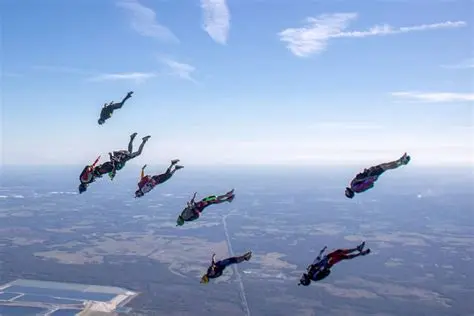 Source www.adrenaline.com
Choosing Your Dropzone: Top Skydiving Centers in Tampa Bay
Thinking about taking the plunge and experiencing the incredible thrill of skydiving in the beautiful Tampa Bay area? That's fantastic! Choosing the right dropzone is your first exciting step towards an unforgettable adventure. The Tampa Bay region is blessed with a few excellent skydiving centers, each offering a unique vibe and fantastic views. You'll want to consider factors like location, reputation, available amenities, and, of course, the stunning scenery you'll be soaring above.
The best dropzones prioritize safety above all else, boasting highly experienced instructors and top-notch equipment. They also strive to provide a welcoming atmosphere for first-timers, making sure you feel comfortable and excited from the moment you arrive. Many offer tandem jumps, which are perfect for beginners as you're securely harnessed to a certified instructor throughout the entire experience. This allows you to fully soak in the views and the sensation of freefall without worrying about operating the parachute yourself.
Here's a quick look at some popular options to help you get started on your skydiving journey in and around Tampa Bay. Each offers a slightly different flavor of airborne excitement, but all promise an incredible rush. Do a little research, read reviews, and maybe even give them a call to see which one feels like the perfect fit for your big day.
| Dropzone Name | Location Highlight | Special Features | Best For |
|---|---|---|---|
| Skydive City Zephyrhills | Just north of Tampa, easy access from central FL | Large, active skydiving community, extensive training programs, onsite amenities. | Serious enthusiasts, those seeking a vibrant skydiving culture, first-timers. |
| Skydive Lake Wales | Southeast of Tampa, scenic views of lakes and orange groves. | Family-friendly atmosphere, often hosts events, very experienced staff. | Scenic jumps, a relaxed environment, those traveling from Orlando or Lakeland. |
| Sebastian Skydiving Center | Further south, coastal views over the Atlantic (worth the drive for some!) | Stunning ocean views, highly reputable for safety and training. | Ocean enthusiasts, those willing to travel for unique coastal jump. |
Each of these fantastic centers provides a comprehensive pre-jump briefing, ensuring you understand everything before you even step foot near the plane. They’ll cover safety procedures, what to expect during freefall, and how to enjoy the serene parachute ride back down to earth. Remember, checking their specific booking requirements and available jump times well in advance is always a good idea, especially during peak seasons or holidays. Get ready to embrace the blue!
What to Expect on Your First Jump: A Step-by-Step Guide
So, you’ve picked your dropzone, booked your jump, and now the butterflies are really starting to flutter! That’s completely normal, and part of the amazing build-up to your first skydiving experience. Getting a good idea of what to expect on the day of your jump can help ease any nerves and allow you to fully enjoy every moment of this incredible adventure. Your first jump will almost certainly be a tandem skydive, which is the safest and most popular way for beginners to experience freefall.
Your day will typically begin with a warm welcome at the dropzone. You’ll check in, fill out some necessary paperwork (read it carefully!), and then meet your highly qualified tandem instructor. This person will be your guide and guardian throughout the entire experience, so feel free to ask them any questions you might have. They’re there to make sure you feel comfortable and excited.
Next up is the ground briefing. Your instructor will walk you through all the safety procedures, explain how the equipment works, and go over your role during the jump. Don't worry, your role is pretty simple: listen to your instructor, arch your back during freefall, and lift your legs for landing. They’ll also explain the climb to altitude, the exit from the plane, the freefall itself, the parachute ride, and the landing.
Once briefed and geared up in your jumpsuit and harness, you’ll head out to the plane. The plane ride up to jumping altitude, usually around 10,000 to 14,000 feet, is an experience in itself. You’ll be securely harnessed to your instructor, watching the world shrink beneath you, and feeling the anticipation build. When it's time to go, you'll shuffle to the door, take a deep breath, and then… you're flying!
The freefall portion is often described as feeling like floating on a cushion of air, not like falling. It’s an exhilarating rush of wind and pure adrenaline that lasts about 45-60 seconds. Then, your instructor will deploy the parachute, and suddenly everything becomes quiet and peaceful. The parachute ride is a serene descent, typically lasting 5-7 minutes, where you can take in the breathtaking panoramic views of the Tampa Bay area, often with the instructor steering and perhaps letting you try a turn or two. Finally, you’ll come in for a gentle landing, often sliding in on your bottom. You've done it! The feeling of accomplishment is absolutely incredible, and you'll be buzzing with excitement for hours afterwards.
Skydiving Safety: Adrenaline Rush with Peace of Mind
When you think about skydiving, it's natural for safety to be at the forefront of your mind, especially if it’s your first time. Rest assured, the sport of skydiving has an outstanding safety record, constantly evolving with advanced technology, rigorous training, and strict regulations. Skydiving in Tampa Bay, like everywhere else, is taken very seriously by professional dropzones. They operate under the guidelines of organizations like the United States Parachute Association (USPA), which sets industry standards for training, equipment, and operations.
The most crucial element of skydiving safety is the tandem instructor. These individuals are highly experienced, certified professionals who have undergone extensive training and have thousands of jumps under their belts. They are responsible for your safety from the moment you meet them until your feet are back on solid ground. Your harness is securely attached to theirs with multiple strong connection points, ensuring you are always one with your instructor.
Equipment is another cornerstone of skydiving safety. Every piece of gear, from the main parachute to the reserve parachute, the harness, and the automatic activation device (AAD), is meticulously inspected. The main parachute is packed by certified riggers, and every jumper, especially tandem students, has a reserve parachute that is regularly inspected and packed by a master rigger. The AAD is a small computer that automatically deploys the reserve parachute at a preset altitude if the main parachute hasn't been deployed. This provides an extra layer of protection, acting as a final backup system for your jump.
Dropzones also maintain their aircraft to rigorous aviation standards, with regular inspections and maintenance checks performed by certified mechanics. Before any jump, instructors conduct thorough pre-jump checks of all equipment, and manifest staff ensure jumpers are correctly boarded and briefed. Weather conditions are always monitored closely, and jumps will be postponed or cancelled if conditions are not absolutely ideal for safe operation.
It’s important to choose a USPA-affiliated dropzone to ensure you’re jumping with a reputable organization that adheres to the highest safety standards. While skydiving inherently involves an element of risk, the comprehensive safety protocols, expert instruction, and advanced equipment employed by professional dropzones significantly mitigate these risks, allowing you to enjoy your adrenaline rush with genuine peace of mind.
Beyond the First Jump: Solo Licenses and Advanced Skydiving
Congratulations, you've made your first tandem jump in the Tampa Bay area, and now you're hooked! That incredible rush, the stunning views, and the profound sense of accomplishment have left you craving more. Many people find that their initial tandem experience is just the beginning of a lifelong passion for skydiving. If you're looking to take your skydiving journey further and eventually jump solo, the path to becoming a licensed skydiver is both exciting and incredibly rewarding.
The first step beyond tandem jumping is typically the "Accelerated Freefall" (AFF) program. This structured training course is designed to teach you all the skills you need to jump safely on your own. You'll begin with extensive ground school, where you'll learn about parachute control, emergency procedures, aircraft exits, freefall maneuvers, and landing techniques. This theoretical knowledge is vital before you ever step foot in the plane again as a student.
Your AFF jumps will start with two instructors accompanying you in freefall, holding onto your harness to provide stability and guidance. As you progress through the levels, you'll gradually gain more independence, with one instructor, and then eventually, they'll release you to fly solo in freefall, while still observing and coaching from a short distance. Each jump has specific learning objectives, like maintaining altitude awareness, performing turns, flips, and tracking horizontally. Your instructors provide debriefs after every jump, reviewing video footage to help you understand your progress and areas for improvement.
After successfully completing the AFF course, you'll still be a student skydiver, but you'll be able to jump solo under the supervision of a coach or instructor. To earn your USPA "A" license, which allows you to jump unsupervised with other licensed skydivers, you'll need to complete a minimum of 25 jumps, demonstrate proficiency in various skills, pass a written exam, and perform a check dive. This journey takes time, dedication, and practice, but the feeling of achieving your license is unparalleled.
Beyond the "A" license, the world of skydiving opens up even further. You can pursue advanced licenses like the "B", "C", and "D" licenses, which grant you privileges for night jumps, instructing, and more complex group formations. Skydivers can specialize in disciplines like formation skydiving, freeflying (flying in different orientations like head-down or sit-flying), wingsuiting, or canopy piloting (high-performance landings). The sky is truly the limit for how far you can take your passion, with the Tampa Bay area's active dropzones providing an excellent community and resources for continued learning and progression.
Frequently Asked Questions About Skydiving in Tampa Bay
Thinking about skydiving in the glorious Tampa Bay area but still have a few burning questions? That’s perfectly normal! It’s a big decision, and we want to make sure you feel totally informed and ready for your adventure. Here are some of the most common questions people ask about their first skydiving experience, especially when jumping in this beautiful part of Florida. Hopefully, these answers will help clarify things and get you even more excited for your big day.
What is the minimum age to skydive in Tampa Bay?
Generally, the minimum age to skydive in the US, and thus in Tampa Bay, is 18 years old. This is a strict Federal Aviation Administration (FAA) and United States Parachute Association (USPA) regulation, so parental consent is not a substitute for being 18. Make sure to bring a valid ID!
Is there a weight limit for skydiving?
Yes, most dropzones have a weight limit for safety reasons, typically around 220-240 pounds. Some may accommodate slightly heavier individuals with an additional fee and instructor approval. Always check with your chosen dropzone directly, as limits can vary.
What should I wear for my skydive?
Dress in comfortable, athletic clothing appropriate for the weather. Think layers for cooler months. Avoid anything too baggy. Closed-toe shoes (sneakers are perfect) are a must; no sandals, heels, or boots with hooks.
Can I wear my glasses or contact lenses?
Absolutely! You'll be provided with goggles that fit comfortably over glasses. Contact lenses are generally fine, but some people bring eye drops as the wind can be drying.
Do I need any special training before my first jump?
For a tandem skydive, no prior training is required. You'll receive a comprehensive ground briefing on the day of your jump that covers everything you need to know.
How long does the entire skydiving experience take?
While the jump itself is quick, expect to dedicate half a day (3-5 hours) to the entire experience, from check-in to landing. This allows for briefings, gearing up, potential weather delays, and other logistical steps.
What if the weather is bad on my jump day?
Safety is paramount. If conditions like high winds, heavy clouds, or rain make it unsafe to jump, your skydive will be rescheduled. Dropzones will notify you if there are concerns.
Will I feel like I'm falling?
During freefall, the sensation is more like floating on a cushion of air due to the wind resistance, rather than the stomach-dropping feeling of a rollercoaster. It's incredibly exhilarating!
Can I breathe during freefall?
Yes, you can absolutely breathe normally during freefall. The air pressure is different, but it's not difficult to catch your breath. Just relax and enjoy it!
Can I bring my own camera for the jump?
Generally, no. For safety reasons, only licensed skydivers with hundreds of jumps are permitted to wear cameras. Dropzones usually offer professional video and photo packages, which are highly recommended!
Will I land safely?
Tandem landings are typically soft and controlled, often a gentle slide in on your bottom. Your instructor has thousands of landings and will guide you safely back to earth.
How high do you jump from?
Most tandem skydives are from altitudes between 10,000 to 14,000 feet above the ground. This provides ample time for an exhilarating freefall and a beautiful canopy ride.
Do I need to book in advance?
Yes, booking in advance is highly recommended, especially on weekends and during peak season, to secure your desired date and time. Dropzones often require deposits.
Can I jump with friends?
You can certainly book jumps for multiple friends at the same time! While you'll likely go up in the same plane, you'll jump separately with your respective instructors. Group photos before and after are a must!
Is skydiving scary?
A little bit of nervousness or fear is completely normal and part of the thrill! Most people describe the experience as incredibly empowering and exhilarating, with any fear quickly replaced by pure joy and adrenaline once they're out of the plane. You'll be glad you did it!
Thanks for Soaring With Us!
So there you have it – all the reasons why skydiving in the Tampa Bay area is an absolutely unforgettable experience. From the rush of the freefall to those breathtaking coastal views, it's an adventure that truly sticks with you. Thanks so much for taking the time to read through our guide today; we really appreciate you dropping by (pun intended!). We hope this has inspired you to take the leap yourself or perhaps just brought back some awesome memories. Keep an eye on our blog for more local adventures and tips, and we'd love to see you back here again soon! Until next time, happy landings!