Where to Skydive in New York: Your Guide to High-Flying Fun!
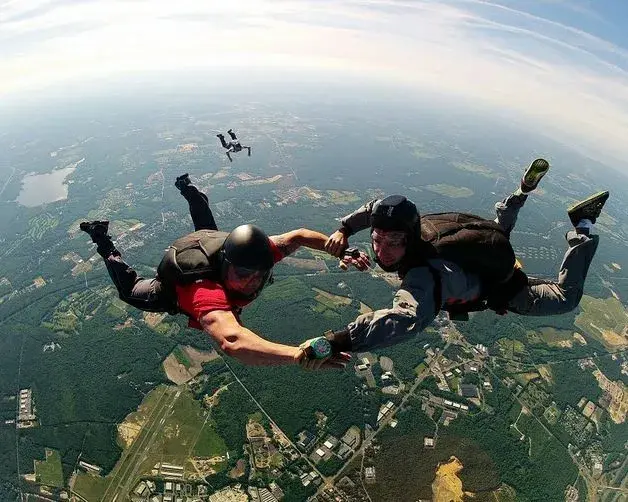
Dreaming of leaping out of a plane and feeling the incredible rush of freefall, all while gazing at some truly spectacular views? If you're in New York and have "skydiving" on your bucket list, you might be wondering where on earth (or rather, above it!) you can actually make that happen. Good news, adrenaline junkies – you don't have to travel far to experience the thrill of a lifetime. Turns out, New York state has some fantastic spots for skydiving, offering everything from scenic Hudson Valley vistas to glimpses of the distant NYC skyline. Let's dive into where you can go to take that exhilarating plunge!
 Source www.huffpost.com
Choosing Your Dropzone: Top Skydiving Centers in NY
Alright, so you're pumped and ready to take the plunge, literally! New York state offers some fantastic skydiving centers, each with its own charm and stunning views. Choosing the right dropzone is a big part of making your first jump unforgettable.
Consider factors like proximity to your location, the vibe of the place, and what kind of packages they offer. Many people prefer to go a little further out from the immediate city bustle to experience more serene landscapes as they descend.
Here’s a quick peek at some of the most popular and highly-rated skydiving destinations in the Empire State. Remember to always check their websites for the most current pricing, availability, and specific requirements before you plan your trip. Booking in advance is almost always a good idea, especially during peak seasons like summer weekends.
They can fill up quickly, ensuring you get your preferred slot is crucial. You want to focus on the excitement, not the logistics!
| Dropzone Name | Location (Approx.) | Distance from NYC (Approx.) | Unique Selling Point |
|---|---|---|---|
| Skydive Long Island | Shirley, Long Island | 1.5 - 2 hours | Coastal views, often praised for friendly staff and a vibrant atmosphere. Close enough for a day trip from the city, offering a unique perspective of the Atlantic coastline. |
| Skydive The Ranch | Gardiner, Hudson Valley | 1.5 - 2 hours | Known for its picturesque mountain and valley views. It’s one of the oldest and most established dropzones in the country, attracting experienced jumpers and first-timers alike. |
| Skydive Finger Lakes | Ovid, Finger Lakes Region | 4 - 5 hours | Offers breathtaking views of the stunning Finger Lakes. Perfect for those looking to combine their jump with a scenic getaway, perhaps a wine tour or exploring the beautiful natural parks. |
| Skydive Danielson (CT/NY Border) | Danielson, CT | 2.5 - 3 hours | While technically in Connecticut, it's a popular choice for New Yorkers, offering great views of New England countryside. It’s a well-regarded facility with a strong focus on safety and customer experience. |
Each of these locations provides a slightly different experience, from coastal panoramas to rolling hills and sparkling lakes. Do a little research into what kind of scenery calls to you the most. Some people love the idea of seeing the ocean stretch out below, while others are drawn to the tranquility of inland vistas.
Ultimately, the best dropzone is the one that makes you feel excited and comfortable. Don't hesitate to give them a call if you have any specific questions about their facilities or what to expect on the day of your jump. They are usually more than happy to chat about your upcoming adventure and calm any pre-jump jitters you might have.
What to Expect on Your First Jump: A Step-by-Step Guide
So you’ve picked your spot, booked your jump, and now the butterflies are doing a tango in your stomach! That’s totally normal. Knowing what to expect on your first skydiving adventure can really help ease those nerves and let you focus on the incredible experience ahead.
Your first jump will almost certainly be a tandem skydive. This means you’ll be securely harnessed to an experienced instructor for the entire freefall and parachute ride. It’s the safest and most common way for beginners to experience skydiving.
When you arrive at the dropzone, your adventure officially begins. First up is usually some paperwork, which includes signing waivers. This is pretty standard for any adventurous activity. After that, you'll receive a safety briefing and some basic training.
This session will cover what to expect during the jump, how to position your body in freefall, and what to do during landing. Don't worry, your instructor will guide you every step of the way, so you don't need to memorize everything.
You'll then get geared up. This involves putting on a special harness that connects you to your instructor. Once you’re all strapped in and ready, it's time to head to the plane! The ride up to altitude is a unique experience in itself.
You’ll be packed in with other jumpers, buzzing with anticipation. The ascent typically takes about 15-20 minutes, giving you a chance to take in the views from a new perspective as the ground shrinks beneath you.
When you reach your jumping altitude, typically between 10,000 to 14,000 feet, the plane door will open. This is the moment when the adrenaline really kicks in! You and your instructor will move towards the door, then it's a giant step into the open air.
The freefall portion is often described as feeling like floating, not dropping. You'll accelerate to speeds of around 120 mph, but the wind resistance makes it feel incredibly stable. This lasts for about 45-60 seconds, which feels like an eternity in the best possible way.
Once your instructor deploys the parachute, the world suddenly slows down. You'll glide peacefully for about 5-7 minutes, giving you plenty of time to soak in the panoramic views and perhaps even steer the parachute a little yourself, if you're feeling brave!
The landing is usually gentle, with your instructor guiding you safely back to the dropzone. You might slide in on your bottom or step down, depending on the conditions. After landing, you'll be buzzing with an incredible sense of accomplishment.
It’s an experience you'll never forget, truly one for the books, and it changes your perspective on so many things!
Safety First: Understanding Skydiving Regulations and Training
When you're thinking about jumping out of a perfectly good airplane, safety is, understandably, a top concern. The good news is that skydiving is an incredibly well-regulated sport, and dropzones in New York, and across the US, adhere to strict safety standards set by organizations like the United States Parachute Association (USPA).
This means you're in very capable hands. Your tandem instructor, for example, isn't just someone who decided to go skydiving yesterday. They are highly trained, certified professionals with hundreds, often thousands, of jumps under their belt. They've undergone rigorous training and passed tough examinations.
All skydiving equipment, from the main parachute to the reserve parachute and the automatic activation device (AAD), is meticulously inspected and maintained. Parachutes are packed by certified riggers, ensuring everything is in perfect working order before every jump. The AAD is a crucial safety feature that automatically deploys the reserve parachute at a predetermined altitude if the main chute isn't opened.
Weather conditions play a massive role in skydiving safety. Dropzones will never operate if the weather isn't optimal. This includes considerations for strong winds, heavy rain, or low visibility. If there's any doubt, your jump will be rescheduled.
While this might be disappointing, it's always for your safety and the safety of the instructors. Patience is a virtue in skydiving, especially when it comes to Mother Nature's moods. Trust the professionals when they make these crucial decisions.
Before your jump, you'll also receive a thorough ground school briefing. This isn't just a quick chat; it's designed to give you a clear understanding of the process, your role, and emergency procedures. You'll learn the proper body position for freefall, how to lift your legs for landing, and generally what to expect.
While your instructor does most of the work during a tandem jump, your cooperation is key. Paying attention during this briefing will make your jump smoother and more enjoyable. Remember, they want you to have the safest and most thrilling experience possible.
So, relax and trust the process. The industry is built on a foundation of safety, experience, and continuous improvement. By choosing a reputable USPA-affiliated dropzone, you're signing up for an adventure where every precaution has been taken to ensure your well-being.
Beyond the Jump: Exploring Nearby Attractions and Making a Day of It
Skydiving is an exhilarating experience, but why let the fun stop once your feet are back on solid ground? Many of New York’s dropzones are located in areas rich with other attractions, making it super easy to turn your jump day into a full-blown adventure or a relaxing getaway.
Imagine the post-jump high combined with exploring charming towns, beautiful natural landscapes, or even enjoying some local culinary delights. It’s the perfect way to cap off an unforgettable day and make even more memories.
If you jumped at Skydive Long Island, you're perfectly positioned to explore the beautiful beaches of the Hamptons or enjoy fresh seafood at one of the many coastal restaurants. Take a scenic drive along the coast, visit a lighthouse, or just relax by the ocean, reflecting on your incredible feat.
It's a fantastic way to unwind after the adrenaline rush. You could also visit some of the local wineries or breweries that are dotted around the area, offering a different kind of buzz for the evening.
For those who chose Skydive The Ranch in the Hudson Valley, you're in for a treat. This region is famous for its stunning natural beauty, historical sites, and vibrant arts scene. Consider visiting Mohonk Mountain House for breathtaking views, or exploring the charming town of New Paltz with its unique shops and eateries.
There are also numerous hiking trails and apple orchards, especially lovely during the autumn months. A visit to a local farm stand for fresh produce is also a wonderful way to connect with the region.
If your adventure took you to Skydive Finger Lakes, you absolutely must take advantage of the region’s namesake. The Finger Lakes are renowned for their stunning wineries, picturesque small towns, and beautiful state parks like Watkins Glen. You could spend the afternoon tasting local wines, taking a boat tour on one of the lakes, or simply enjoying the tranquil scenery.
It's an ideal spot for a weekend trip, turning your skydiving experience into a multi-day escape. The region also boasts some incredible farm-to-table restaurants, perfect for a celebratory meal.
Even if you jump closer to the city, there are always unique local spots to discover. Before you head out, do a quick search for "things to do near [dropzone location]" to uncover hidden gems. From quaint cafes to scenic overlooks, extending your day of adventure will truly make your skydiving experience a comprehensive and incredibly rewarding outing.
It transforms a single thrilling moment into a full day of excitement and exploration, creating even more stories to tell!
Frequently Asked Questions About Skydiving in New York
Got more questions bubbling up after learning all about skydiving in New York? You're not alone! It's natural to have a few extra curiosities before taking the leap. Here are some of the most common questions people ask, hopefully providing you with even more peace of mind and excitement.
What is the minimum age for skydiving in New York?
The minimum age for tandem skydiving in the United States, as set by the United States Parachute Association (USPA), is 18 years old. No exceptions are typically made, even with parental consent. So, make sure you've hit that milestone before you plan your jump!
Is there a weight limit for skydiving?
Yes, most skydiving centers have a weight limit, usually around 220-250 pounds. This is for safety reasons related to equipment and instructor capacity. Always check with your chosen dropzone directly, as limits can vary slightly.
Do I need any experience to go skydiving?
Absolutely not! Tandem skydiving is specifically designed for first-timers with no prior experience. You'll receive all the necessary training on the day of your jump, and your instructor will handle all the technical aspects.
What should I wear for skydiving?
Wear comfortable, athletic clothing that you can move easily in. Think jeans, shorts (depending on temperature), or track pants, and a t-shirt or sweatshirt. Avoid anything too loose or restrictive. Closed-toe shoes, like sneakers, are a must!
Can I bring my own camera to record my jump?
For safety reasons, personal cameras (like GoPros) are usually not allowed for tandem students. This is because they can be a distraction or entanglement hazard. Dropzones offer professional photo and video packages, which is the best way to capture your amazing experience.
How long does the whole skydiving experience take?
While the actual freefall and parachute ride are relatively short (a few minutes), plan to spend anywhere from 2 to 4 hours at the dropzone. This includes paperwork, training, gearing up, the plane ride, and debriefing. Weather delays can extend this time.
Is skydiving scary?
For most people, yes, there’s an element of fear or intense apprehension before the jump. But once you're out of the plane, many describe the feeling as pure exhilaration and freedom, rather than fear. The initial "leap" is often the hardest part!
What happens if the parachute doesn't open?
This is a very common concern, but statistically, it's extremely rare. Skydiving equipment includes a main parachute, a reserve parachute, and an Automatic Activation Device (AAD). Instructors are also trained to handle malfunctions. Safety is paramount.
Can I go skydiving if I wear glasses or contact lenses?
Yes! You can wear glasses or contact lenses. Dropzones provide goggles that fit over most glasses, keeping them secure during your jump. Just let your instructor know so they can ensure a snug fit.
Will I feel sick during or after the jump?
While some people might experience a bit of motion sickness during the parachute ride, it's not very common. The freefall itself is usually fine. If you're prone to motion sickness, inform your instructor, and they might adjust the parachute ride.
How fast do you fall during freefall?
During freefall, you'll reach terminal velocity, which is typically around 120 miles per hour (190 km/h). It's a surprisingly stable feeling due to the wind resistance pushing against your body.
How high do you jump from?
Most tandem skydives in New York are from altitudes between 10,000 and 14,000 feet above the ground. Higher altitudes offer a longer freefall time, which is what most people are looking for!
Can my friends and family watch me jump?
Absolutely! Most dropzones have designated spectator areas where friends and family can watch you take off and, even better, watch you land. It’s a fantastic way for them to share in your excitement and get some great photos.
Do I need to make a reservation?
Yes, making a reservation is highly recommended, especially for weekend jumps or during peak season. Skydiving centers often book up quickly, and a reservation guarantees your spot and helps the center plan their operations.
What is the best time of year to skydive in New York?
Spring, summer, and fall are generally the most popular and comfortable times to skydive in New York. The weather is milder, and the views are often stunning with lush greenery or vibrant fall foliage. Winter jumps are possible at some locations, but less common.
Your Skydiving Adventure Awaits!
So, whether you're dreaming of soaring over the stunning landscapes of upstate New York or getting a bird's-eye view of Long Island's coast, the Empire State really does have some amazing skydiving spots just waiting for you. Hopefully, this little guide has cleared up any questions and gotten you pumped to book that first (or next!) incredible jump. We truly appreciate you taking the time to read through all this, and we'd love for you to drop by again soon for more fun articles and tips. Until then, happy (and safe!) jumping!