Skydiving Lessons in San Diego: Time to See the Beaches from Above!
Ever looked up at the stunning San Diego sky and wondered what it would be like to actually fly through it? Forget those daydreams – making that a reality is much easier and more exhilarating than you might think! If you're ready to swap your sandals for a parachute and experience an adrenaline rush like no other, diving into skydiving lessons right here in sunny San Diego is the perfect way to kick off an unforgettable adventure.
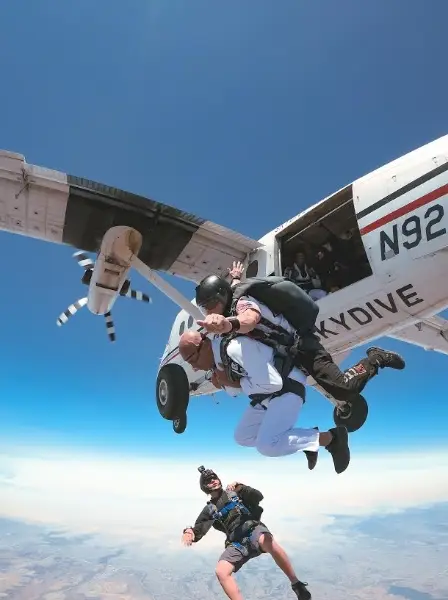 Source skydivesandiego.com
Choosing Your Skydiving Lesson Package in Sunny San Diego
So, you're ready to take the plunge and experience the incredible rush of skydiving in beautiful San Diego. That's fantastic! The first step on this exhilarating journey is picking the right skydiving lesson package that fits your goals and comfort level. Skydiving schools in San Diego typically offer a few different options, each designed to give you a unique introduction to the sport. It's not just about jumping out of a plane; it's about learning the ropes, quite literally, and making sure you feel confident and prepared for your big day.
Most first-time jumpers start with a tandem skydive, which is a perfect way to get a taste of freefall without needing extensive training beforehand. You’ll be securely harnessed to an experienced instructor who handles all the technical aspects, allowing you to relax and soak in the breathtaking views of the California coastline. If you're serious about becoming a licensed skydiver, then an Accelerated Freefall (AFF) program is likely what you're looking for. This comprehensive training course teaches you how to skydive solo from day one.
Choosing your package also involves considering what’s included, like video and photo packages to capture your unforgettable moments. Some schools might offer different altitudes for your jump, which directly affects the amount of freefall time you’ll experience. It’s always a good idea to chat with the school directly to understand all your options and make sure you’re choosing the best path for your skydiving adventure. Don’t hesitate to ask questions; they are there to guide you through every step of the process.
Here’s a quick overview of typical skydiving lesson packages you might find in San Diego:
| Package Type | Description | Typical Freefall Time (approx.) | Training Required | Who It's For |
|---|---|---|---|---|
| Tandem Skydive | Harnessed to an instructor for the entire jump. Instructor manages parachute deployment and landing. | 45-60 seconds (from 10,000-13,000 ft) | 20-30 minute ground briefing | First-timers, thrill-seekers, gift experiences, those unsure about solo jumping. |
| Accelerated Freefall (AFF) - Level 1 | Jump with two instructors holding onto you. You learn to deploy your own parachute and maintain stability. | 50-60 seconds (from 13,000-18,000 ft) | 4-6 hours intensive ground school | Aspiring solo skydivers, those committed to obtaining a license (USPA A-license). |
| Graduation Jump (Post-AFF) | Transition to jumping with one instructor, then eventually solo with remote coaching. | Varies by level (up to 60+ seconds) | Progressive AFF levels & coaching | Students continuing their AFF journey towards solo certification. |
Each package offers a distinct experience, so think about what you want to get out of your first skydiving lesson. Do you just want to tick it off your bucket list with minimal fuss? Tandem is your go-to. Are you dreaming of flying solo and becoming a licensed skydiver? Then the AFF program is your starting point. Whatever you choose, prepare for an unforgettable adventure in the skies above San Diego.
What to Expect on Your Skydiving Day: Your San Diego Sky-High Adventure Timeline
The day you go skydiving is going to be unlike any other, filled with excitement, anticipation, and an incredible rush of adrenaline. When you arrive at your chosen skydiving center in San Diego, you’ll be greeted by friendly staff who are just as excited for your jump as you are. The atmosphere at a dropzone is usually buzzing with energy, a mix of seasoned jumpers preparing for their next dive and first-timers wide-eyed with wonder. It's a place where everyone shares a common passion for flight.
Your skydiving experience typically begins with check-in, where you’ll fill out some necessary paperwork. Don’t worry, it’s mostly waivers and ensuring you meet all the safety requirements, like age and weight limits. This is a pretty standard procedure for any adventure sport and helps ensure everyone has a safe and fun time. After the paperwork is sorted, you’ll move on to the training portion of your lesson, which is super important.
For tandem jumpers, this usually means a concise ground briefing, lasting about 20-30 minutes. Your instructor will walk you through what to expect, how to exit the plane, how to position your body in freefall, and what to do during landing. It’s designed to be straightforward and easy to understand, making sure you feel comfortable and informed. They'll show you the equipment, explain how everything works, and answer any last-minute questions you might have.
If you’re embarking on an AFF Level 1 course, your ground school will be much more extensive, often lasting several hours. This detailed training covers everything from canopy control and emergency procedures to body position and altitude awareness, preparing you for a more active role in your jump. You’ll learn about the gear in depth and practice movements you'll perform in the air. This thorough preparation is key to your progression as a solo skydiver.
Once your training is complete, it's time to get geared up! You’ll be fitted with a jumpsuit, goggles, and your harness. For tandem jumpers, your instructor will then securely attach you to their harness. Then, it's off to the plane! The ride up to altitude offers stunning panoramic views of San Diego, the Pacific Ocean, and beyond, gradually building the anticipation. You’ll watch the ground get further and further away, and your heart might start to race a little – that’s perfectly normal!
The moment the door opens, and you step out into the vast blue sky is indescribable. You’ll experience the pure exhilaration of freefall, wind rushing past you as you plummet towards the earth, feeling an incredible sense of freedom. After what feels like both an eternity and a split second, your instructor (or you, if you’re doing AFF) will deploy the parachute. The sudden quiet and smooth ride under canopy is a serene contrast to the freefall, offering breathtaking views as you gently glide back down to the landing area. A soft landing awaits, and you’ll walk away with an unforgettable story and an amazing sense of accomplishment.
Safety First: What San Diego Skydiving Schools Do to Protect You
When you're thinking about jumping out of a perfectly good airplane, it's totally natural to have safety concerns. Rest assured, skydiving schools in San Diego prioritize your safety above all else, adhering to stringent regulations and best practices set by organizations like the United States Parachute Association (USPA). These schools invest heavily in top-of-the-line equipment, highly experienced instructors, and continuous training to ensure every jump is as safe as possible. Your well-being is their absolute priority from the moment you arrive until your feet are back on solid ground.
The instructors at reputable San Diego skydiving centers are not just skilled jumpers; they are certified professionals with thousands of jumps under their belt. Tandem instructors hold specific ratings that require extensive experience, rigorous testing, and continuous education. They are calm, collected, and expertly trained to manage every aspect of your jump, allowing you to relax and enjoy the experience without worry. For AFF programs, instructors undergo even more specialized training to teach aspiring solo skydivers, guiding them through each step with precision and care.
Equipment maintenance is another critical component of skydiving safety. All parachutes, harnesses, and other gear are meticulously inspected before every jump and undergo regular, scheduled maintenance by certified riggers. Skydiving centers use modern equipment, often featuring advanced safety devices like Automatic Activation Devices (AADs). An AAD is a small, electronic device that automatically deploys a reserve parachute if it detects that the skydiver is still falling at a certain altitude and speed, providing an extra layer of protection. This technology has significantly enhanced skydiving safety.
Beyond the gear and the instructors, dropzones themselves operate under strict safety protocols. Weather conditions are constantly monitored, and jumps will be postponed or canceled if conditions are not optimal for a safe flight and landing. Briefings are thorough, ensuring everyone understands the procedures, emergency protocols, and their role in the jump. Every aspect of the operation, from the packing of parachutes to the manifest procedures, is designed with safety in mind. You're in incredibly capable hands when you choose to skydive in San Diego.
Choosing a USPA-affiliated skydiving school is a great way to ensure you're getting the highest standards of safety and instruction. These affiliations mean the school meets specific criteria for training, equipment, and operations, providing you with peace of mind. So, while skydiving is an adventure sport, the risks are heavily mitigated through professionalism, technology, and a deep commitment to safety by everyone involved. You can feel confident knowing that San Diego skydiving schools go above and beyond to protect you during your extraordinary journey in the sky.
Beyond the First Jump: Continuing Your Skydiving Journey in San Diego
So, you've made your first skydiving jump in San Diego, and you're hooked – that feeling is common! Many people find that their initial tandem experience sparks a lifelong passion for the sport. If you're dreaming of flying solo, performing aerial maneuvers, and eventually becoming a licensed skydiver, San Diego offers excellent pathways to continue your journey. The adventure doesn't have to end with that first amazing leap; it can be just the beginning of a whole new chapter.
The most common route to becoming a licensed skydiver is through the Accelerated Freefall (AFF) program. We touched on Level 1 earlier, but AFF is a comprehensive, multi-level course designed to teach you all the skills necessary to jump safely and confidently on your own. Each level builds upon the last, progressively teaching you body control, altitude awareness, parachute deployment, and canopy piloting. You’ll be learning from experienced instructors who guide you through each stage, providing direct feedback and hands-on assistance.
After successfully completing the AFF program, which typically involves around 7-10 coached jumps, you'll enter a student status phase. During this time, you’ll continue to jump with supervision, performing more advanced maneuvers and perfecting your skills. The goal is to accumulate enough jumps (a minimum of 25) and demonstrate proficiency in various skydiving techniques to earn your USPA A-license. An A-license is your ticket to jumping solo at most dropzones around the world and often allows you to jump with other licensed skydivers.
San Diego dropzones are vibrant communities where skydivers gather to jump, train, and socialize. This environment provides a fantastic opportunity to meet other enthusiasts, learn from seasoned veterans, and find mentors who can help you progress. You can explore different disciplines of skydiving, such as freeflying (flying in various orientations besides belly-to-earth), formation skydiving (creating patterns with other jumpers), or even canopy piloting (advanced parachute flying). The sky truly is the limit when it comes to what you can learn and achieve.
Continuing your skydiving education also involves learning about parachute packing, rigging, and advanced safety procedures. Many schools offer clinics and workshops that cover these topics, helping you become a more knowledgeable and self-sufficient skydiver. Whether you want to jump recreationally, compete, or even become an instructor yourself someday, San Diego’s skydiving community and facilities provide a robust foundation for building your skills and living out your sky-high dreams. It's a journey of continuous learning, thrilling experiences, and incredible personal growth.
Frequently Asked Questions About Skydiving Lessons in San Diego
Here are some of the most common questions people ask when they're thinking about skydiving lessons in San Diego. We hope these answers help clear up any uncertainties and get you even more excited for your jump!
Is there a weight limit for skydiving in San Diego?
Yes, most skydiving centers in San Diego have a weight limit, typically around 220-240 pounds, though some may accommodate slightly higher weights with an additional fee. This limit is for safety reasons and depends on the specific equipment used. It's best to check directly with your chosen dropzone.
How old do I have to be to skydive in San Diego?
The minimum age to skydive in the United States, including San Diego, is 18 years old. No exceptions are made for parental consent, as per USPA regulations.
What should I wear for my skydiving lesson?
Wear comfortable, athletic clothing that allows for a full range of motion. Sneakers or athletic shoes are perfect; avoid sandals, boots with hooks, or anything that could come off. Layers are a good idea, as it can be cooler at altitude.
Can I eat before my skydive?
Yes, it's generally recommended to eat a light meal and stay hydrated before your jump. Avoid overeating or consuming too much caffeine or alcohol. You want to feel comfortable and alert.
How long does the whole skydiving experience take?
While the jump itself is quick, the entire experience, including check-in, training, gearing up, plane ride, and landing, can take anywhere from 2 to 4 hours, or even longer on busy days. Plan to spend half a day at the dropzone.
Can I bring my own camera on the skydive?
For safety reasons, personal cameras, including GoPros, are generally not allowed for first-time tandem jumpers. This is because loose items can be a hazard in freefall. Most dropzones offer professional video and photo packages.
What if I'm afraid of heights?
Many people who skydive are actually afraid of heights! The experience of falling from a plane is often described differently than standing on a tall building. There's no sensation of being connected to the ground, which can mitigate traditional height phobia.
Is skydiving safe?
Yes, skydiving has an excellent safety record, especially tandem skydiving. Modern equipment, highly trained instructors, and strict safety protocols make it a very safe adventure sport. However, like any extreme sport, it does carry inherent risks.
What happens if the main parachute doesn't open?
Every rig has a main and a reserve parachute. If the main doesn't open correctly, the reserve parachute, which is packed by a certified rigger, is deployed. Tandem instructors are highly trained in these emergency procedures.
Can I get a refund if I chicken out?
Most skydiving centers have a strict cancellation policy. If you decide not to jump on the day, you may lose your deposit or payment. It's best to discuss their specific policy when booking.
Do I need to be in good physical condition to skydive?
You should be in reasonably good health. If you have any medical conditions, especially heart or lung conditions, or recent injuries, consult with your doctor and the skydiving center before booking.
Will I feel like I'm falling?
During freefall, the sensation is often described as floating on a cushion of air rather than a stomach-dropping fall. The tremendous wind resistance creates a feeling of support.
How fast do you fall during a skydive?
During freefall, you'll reach terminal velocity, which is typically around 120 miles per hour (about 190 km/h) for a tandem pair.
Can my friends and family watch me jump?
Absolutely! Most San Diego dropzones have designated viewing areas for spectators to watch the landings. It's a fantastic experience for them to share.
How do I book a skydiving lesson in San Diego?
You can usually book online directly through the skydiving school's website or by calling them. It’s recommended to book in advance, especially for weekends or holidays, as spots fill up quickly!
Ready to Take the Plunge?
Well, there you have it – hopefully, this little guide has given you a clearer picture of what to expect when you're looking into skydiving lessons right here in sunny San Diego. It's a huge step, but honestly, it's one of the most incredible experiences you can ever have. Thanks so much for hanging out and reading all the way through! We loved sharing this with you, and we'd be thrilled to have you drop by again soon for more adventures, tips, and all things high-flying. Until then, happy dreaming (and maybe even booking!) your first dive!