Phoenix Skydiving: Your Desert Adventure From Above
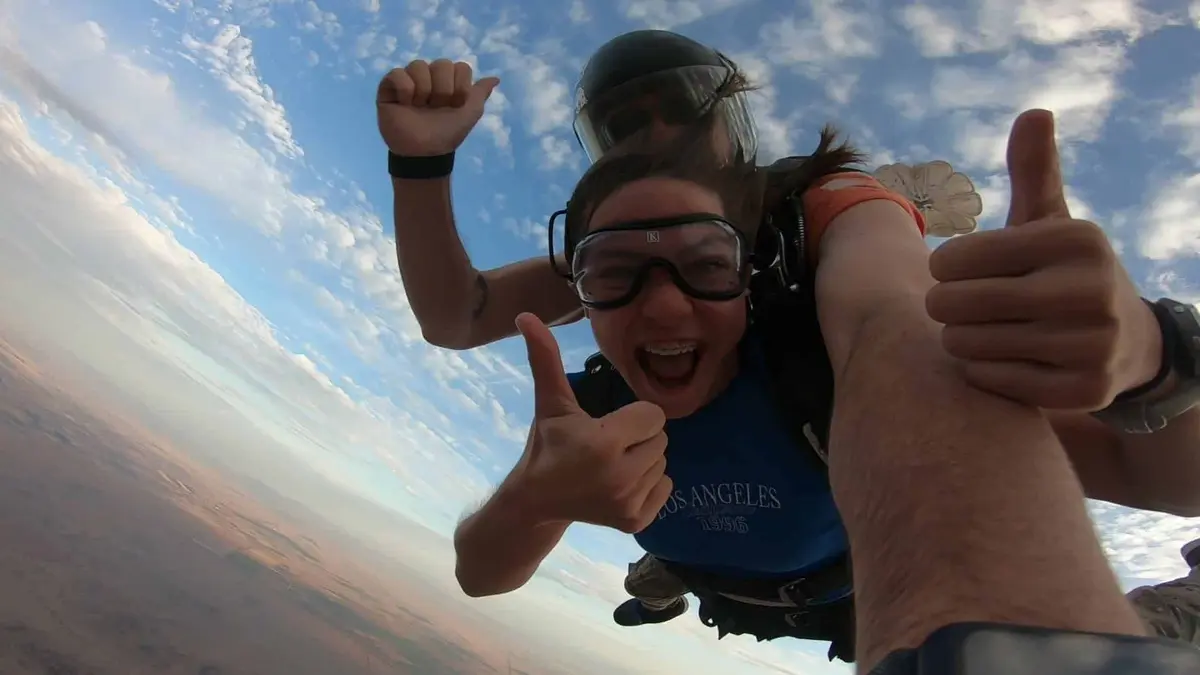
Ever dreamed of soaring like a bird with the vast desert landscape stretching out below you? Well, if you're looking for an unforgettable thrill, skydiving in Phoenix, Arizona, offers just that. Imagine jumping out of a plane high above the stunning Sonoran Desert, feeling the incredible rush of freefall before drifting gently down with panoramic views of mountains, city lights, and endless blue sky. It's an experience that truly takes your breath away, and doing it in the perpetually sunny skies of Arizona makes it even more spectacular.
 Source phoenixskydivecenter.com
Choosing Your Dropzone: Top Skydiving Centers in Phoenix
Ready to take the plunge? Picking the right skydiving center is your first big decision. Phoenix and its surrounding areas boast some fantastic dropzones. Each offers a unique vibe and set of amenities for your skydiving adventure. It’s important to find a place that matches your comfort level and what you’re looking for in an experience.
Some centers are massive operations, practically small towns dedicated to skydiving. They host thousands of jumps annually. Others are more intimate, offering a cozier, personal feel. Consider location, reputation, and the types of jumps they offer.
Many people look for proximity to Phoenix. They also consider things like training facilities and how friendly the staff seems. Take a look at some of the popular options near the Valley of the Sun in the table below. This will give you a good starting point for your research.
It’s always a great idea to call ahead and chat with them. You can ask any questions you might have. Skydiving is a big deal, so you want to feel totally confident in your choice.
| Dropzone Name | Location | Typical Tandem Price (Est.) | Unique Feature |
|---|---|---|---|
| Skydive Arizona | Eloy, AZ (~1 hr south of Phoenix) | $200 - $250 | One of the world's largest skydiving resorts, great for all skill levels. |
| Phoenix Area Skydiving | Casa Grande, AZ (~45 min south of Phoenix) | $180 - $230 | Scenic desert views, often has great deals for first-timers. |
| SkyVenture Arizona | E Mesa, AZ (Closer to East Valley) | $220 - $270 | Focus on premium experience, potentially higher altitude jumps available. |
Skydive Arizona, located in Eloy, is often considered the "Disneyland of Skydiving." It’s a huge facility. They cater to first-time tandem jumpers, experienced pros, and everyone in between. You’ll find multiple aircraft and a bustling atmosphere here.
Phoenix Area Skydiving in Casa Grande offers stunning views of the Sonoran Desert. They are known for their friendly instructors and welcoming environment. It’s a fantastic choice for those looking for a slightly shorter drive from central Phoenix. Their focus is often on making your first jump as comfortable and exhilarating as possible.
SkyVenture Arizona is another great option, especially for those on the east side of Phoenix. They pride themselves on providing a high-quality, memorable experience. Each of these centers maintains high safety standards. They all have experienced, certified instructors ready to guide you. Ultimately, the best dropzone for you will depend on your personal preferences. It will depend on your budget, and the specific vibe you're hoping for on your big day.
What to Expect on Your First Jump: A Step-by-Step Guide
So, you've decided to go skydiving in Phoenix. That's awesome! Now you're probably wondering what the whole experience will actually be like. Let's walk through it together. From the moment you arrive until you're safely back on the ground, high-fiving everyone.
Your adventure begins the moment you step foot on the dropzone. You’ll check in at the front desk, just like any other exciting appointment. Here, you'll likely sign some waivers. This is standard procedure for any adventure sport.
Next up is some quick but essential ground training. Don't worry, it's not like going back to school. Your friendly instructor will go over all the basics. They’ll teach you body positions for freefall and landing. You’ll learn about the equipment and important safety instructions. This briefing usually only takes about 20-30 minutes.
You’ll get geared up next. This means putting on a harness that connects you securely to your tandem instructor. They'll be right there with you throughout the entire jump. Then, it's time for the most exciting part: boarding the plane!
The plane ride itself is an adventure. You'll climb to altitude, typically between 10,000 to 14,000 feet. As you ascend, you'll witness the incredible landscape of Phoenix. The desert, mountains, and city will shrink beneath you. The anticipation builds with every foot the plane gains.
When the door opens, prepare for an adrenaline rush like no other. You and your instructor will move to the edge. Then, you'll take that unforgettable leap into the Arizona sky. The first 60 seconds or so are pure freefall. You'll be soaring at speeds of up to 120 mph! It feels more like floating on a cushion of air than actually falling.
After the exhilarating freefall, your instructor will deploy the parachute. Suddenly, the world becomes quiet and peaceful. You'll enjoy a serene canopy ride for about 5-7 minutes. This is your chance to take in the breathtaking 360-degree views. You can even help steer the parachute if you're feeling adventurous.
The landing is usually soft and controlled. Your instructor will guide you gently back to the landing area. Once your feet are back on solid ground, prepare for an incredible feeling of accomplishment. You just jumped out of a plane! It’s an experience that will stay with you forever.
Safety First: How Phoenix Skydiving Centers Prioritize Your Well-being
When you're thinking about jumping out of a perfectly good airplane, safety is naturally a top concern. We get it! Rest assured, skydiving centers in Phoenix, Arizona, place an immense emphasis on safety. Their procedures and equipment are designed to ensure your well-being every step of the way.
Every skydiving operation adheres to strict regulations. These rules are set by the United States Parachute Association (USPA). The USPA is the governing body for skydiving in the U.S. These regulations cover everything from equipment maintenance to instructor certification.
All tandem instructors are highly trained and experienced professionals. They undergo rigorous training programs. They also complete hundreds, if not thousands, of jumps before they can take a passenger. They are certified and regularly re-certified by the USPA. Your instructor is your co-pilot, guide, and safety net.
The equipment used is meticulously maintained and inspected. Each tandem rig consists of two parachutes: a main parachute and a reserve parachute. Both are packed by certified parachute riggers. They follow strict packing procedures.
Furthermore, modern skydiving rigs include an Automatic Activation Device (AAD). This clever piece of technology is a small computer. It automatically deploys the reserve parachute if you and your instructor are still in freefall at a dangerously low altitude. This provides an extra layer of protection.
Aircraft used for skydiving are also subject to strict maintenance schedules. They are regularly inspected by licensed mechanics. These planes are specially modified for skydiving operations. They are designed to be safe and reliable for their specific purpose.
Weather conditions are another critical safety factor. Skydiving operations will never jump if the weather isn't optimal. They carefully monitor wind speeds, cloud cover, and visibility. If conditions aren't safe, your jump will be rescheduled. Your safety is always more important than making a jump.
Before your jump, you'll receive a detailed safety briefing. This covers all aspects of the jump. It ensures you understand your role and what to expect. Always listen carefully to your instructor and follow their directions. They are the experts, and they know what's best.
So, while skydiving is an extreme sport, it's also incredibly safe. The industry has evolved with advanced technology. It also uses highly trained personnel and stringent safety protocols. You can relax and enjoy the incredible experience. You'll know that your well-being is the number one priority.
Beyond the First Jump: Getting Licensed and Advanced Skydiving
Caught the skydiving bug after your first tandem jump over Phoenix? You're not alone! Many people discover a deep passion for the sport after just one taste of freefall. If you’re dreaming of more jumps and flying solo, getting your skydiving license is the next exciting step.
The journey to becoming a licensed skydiver typically starts with an Accelerated Freefall (AFF) program. This is an intensive training course. It's designed to teach you all the skills you need to jump safely on your own. It’s an incredibly rewarding process.
In the AFF program, you'll start with ground school. This is much more in-depth than your tandem briefing. You'll learn about aerodynamics, equipment, emergency procedures, and much more. This knowledge is crucial for safe solo skydiving.
Your first few AFF jumps will involve two instructors holding onto your harness in freefall. They'll guide you through specific maneuvers. As you progress and demonstrate proficiency, you'll move to one instructor. Eventually, you’ll be making solo coached jumps. Each jump has a specific curriculum and learning objectives.
You'll master various skills. These include maintaining stable body positions, performing turns and flips, and deploying your own parachute. You’ll also learn how to navigate under canopy and execute safe landings. It’s a comprehensive training program.
After successfully completing the AFF levels, you'll typically need to make a certain number of coached jumps. You’ll also need to pass a written exam. Once you meet all the requirements, you'll earn your USPA A-License. This license allows you to jump unsupervised at most dropzones worldwide!
But the learning doesn't stop there. Skydiving offers a vast array of disciplines and advanced skills to master. You can explore canopy piloting, where you learn to fly your parachute with incredible precision. There’s also formation skydiving, where groups of skydivers create intricate formations in freefall.
Or perhaps you're interested in freeflying, which involves flying in various orientations like head-down or sit-flying. There's also wingsuit flying, where you wear a special suit that allows you to glide horizontally across the sky. The possibilities are truly endless.
Many Phoenix area dropzones offer advanced coaching and specialty courses. You can continue to grow your skills and connect with a vibrant skydiving community. Getting licensed opens up a whole new world of adventure. It also offers incredible opportunities for personal growth and unforgettable experiences.
Skydiving in Phoenix Arizona FAQ
Q1: How much does it cost to skydive in Phoenix, Arizona?
A: The cost for a tandem skydive typically ranges from $180 to $270. Prices can vary depending on the dropzone, day of the week, and any special packages like video or photo services.
Q2: Is there a weight limit for skydiving?
A: Yes, most dropzones have a weight limit for safety reasons. This is usually around 220-240 pounds. Some may accommodate heavier individuals for an extra fee, but it's essential to check with your chosen dropzone beforehand.
Q3: What should I wear for my skydive?
A: Wear comfortable, athletic clothing appropriate for the weather. Layers are often a good idea. Closed-toe shoes, like sneakers, are a must. Avoid sandals, boots with hooks, or anything that could come off.
Q4: How old do I have to be to skydive in Phoenix?
A: The minimum age for tandem skydiving in the U.S. is 18 years old. This is a USPA regulation. A valid photo ID is required.
Q5: Can I bring my own camera or GoPro on the jump?
A: For safety reasons, personal cameras and GoPros are usually not allowed for tandem passengers. This is especially true for first-time jumpers. It could be a distraction or a hazard. Most dropzones offer professional video and photo packages.
Q6: What if the weather is bad on my jump day?
A: Skydiving is weather-dependent. If there are high winds, heavy clouds, or rain, your jump will be postponed or rescheduled. Dropzones prioritize safety above all else. They will contact you if there are any changes.
Q7: How long does the entire skydiving experience take?
A: While the jump itself is short, plan for 2-4 hours at the dropzone. This allows for check-in, training, gearing up, the plane ride, and processing any media packages. Weekends might take a bit longer.
Q8: Do I need any special training before my first tandem skydive?
A: For a tandem skydive, no extensive prior training is required. You'll receive a brief, comprehensive ground lesson. Your instructor will handle everything else.
Q9: Is skydiving scary?
A: It's natural to feel nervous or excited! Many people describe the feeling at the door as exhilarating rather than scary. Once you're out, the sensation is often described as peaceful floating, not a stomach-dropping fall.
Q10: What kind of views will I see when skydiving in Phoenix?
A: Prepare for absolutely stunning views! You'll see the vast Sonoran Desert, iconic saguaro cacti, the surrounding mountain ranges, and the sprawling Phoenix cityscape. The Arizona landscape from above is truly unique.
Q11: Can I breathe in freefall?
A: Absolutely! You're falling through the air, not space. There's plenty of air to breathe. Just remember to take deep breaths and enjoy the moment.
Q12: Is skydiving safe?
A: While no extreme sport is without risk, skydiving is remarkably safe thanks to advanced equipment, stringent safety regulations, and highly trained instructors. Your well-being is the top priority.
Q13: Can I skydive if I have a medical condition?
A: If you have any medical conditions, especially heart or respiratory issues, consult your doctor before booking. Inform the dropzone of any concerns you have. Some conditions might require a doctor's note.
Q14: Can I jump with my friends or family?
A: You can usually go up in the same plane with friends or family, depending on the plane's capacity. However, you will likely jump out separately, each with your own tandem instructor.
Q15: What is the best time of year to skydive in Phoenix?
A: Fall, winter, and spring are ideal for skydiving in Phoenix. The weather is cooler and more pleasant. Summer can be done, but it gets very hot, so early morning jumps are recommended.
Thanks for Soaring With Us!
Well, there you have it – the ultimate guide to skydiving in Phoenix, Arizona! We hope this little journey through the clouds and desert skies got your heart racing and maybe even convinced you to take the plunge yourself. Thanks so much for flying with us today and spending your valuable time here. We loved having you, and we're always cooking up new adventures, so definitely swing by again soon! Until then, keep looking up!