Skydiving Austin: Get Ready to Fly High Over ATX!
Ever wondered what it's like to trade your boots for an unbeatable view of the Texas Hill Country? If you're hanging out in Austin and have a little bit of an adventurous streak, you're in for a treat! Skydiving around the Live Music Capital isn't just about taking a leap; it's about soaking in some seriously spectacular scenery from thousands of feet up, all while getting an adrenaline fix that'll make your heart sing louder than any concert on 6th Street. So, if you're ready to see Austin from a whole new perspective, let's talk about jumping out of a perfectly good airplane.
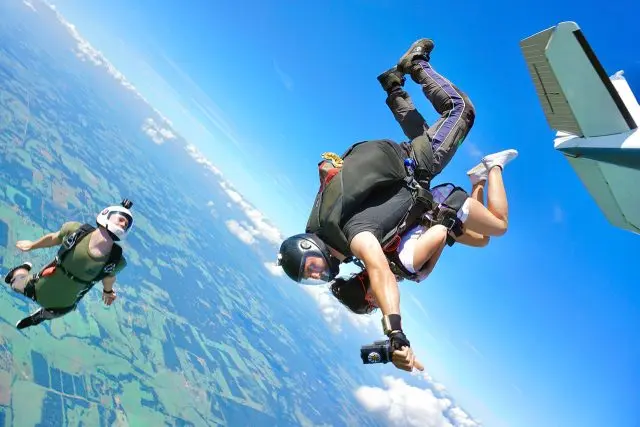 Source www.texasskydiving.com
Choosing Your Perfect Dropzone: Where to Take the Plunge Near Austin
So you're all fired up and ready to experience the incredible thrill of skydiving in Austin, Texas. That's fantastic! But before you leap, a crucial first step is picking the right dropzone. Austin itself is a bustling city, so most skydiving operations are located a short, scenic drive away, offering wide-open spaces perfect for soaring.
Choosing your ideal spot involves a few considerations. Think about how far you're willing to travel, what kind of vibe you're looking for, and if they offer any specific services that appeal to you. Some places might be known for their party atmosphere post-jump, while others focus more on intense training or spectacular views.
Consider their reputation, read reviews from fellow thrill-seekers, and check out their safety records. A good dropzone will be transparent about their certifications and the experience of their instructors. It's all about finding a place where you feel comfortable and excited, knowing you're in safe hands.
Many people also look at the overall facilities. Are there comfortable waiting areas for friends and family? Is there a good place to grab a snack or a drink after your jump? These small details can really enhance your entire experience, making it a truly unforgettable day for everyone involved, not just the jumper.
When you're comparing options, consider factors like the altitude they jump from, whether they offer video and photo packages, and of course, the pricing structure. Sometimes a slightly higher price means better equipment or more experienced instructors, which is always worth the investment when it comes to an adventure like this.
| Feature | Skydive Austin (approx. 45-60 min south) | Texas Skydiving (approx. 60-75 min north) | Central Texas Skydiving (approx. 45 min south-west) |
|---|---|---|---|
| Distance from Downtown Austin | Around 50-60 miles | Around 60-70 miles | Around 40-50 miles |
| Jump Altitude Options | 10,000 ft, 14,000 ft | 10,000 ft, 14,000 ft | 10,000 ft, 14,000 ft |
| Key Amenities | Large hangar, comfortable lounge, pro shop, camping available, experienced staff | Friendly atmosphere, observation deck, picnic areas, focus on student progression | Scenic views, dedicated landing area, experienced instructors, family-friendly |
| Average Tandem Price (approx.) | $200 - $250 (varies by height/package) | $200 - $260 (varies by height/package) | $190 - $240 (varies by height/package) |
| Video/Photo Options | Handcam, outside videographer | Handcam, outside videographer | Handcam, outside videographer |
| Operating Days | Weekends, select weekdays | Weekends, select weekdays | Weekends, select weekdays |
Your Big Day: What to Expect from Check-in to Landing
The day you go skydiving is an experience you'll remember forever, and knowing what to expect can help ease any pre-jump jitters. It’s an adventure from start to finish! Your journey begins with arriving at the dropzone, usually a little early for your scheduled jump time. This allows for all the necessary paperwork and preparations.
You'll check in at the front desk, where friendly staff will greet you. They'll confirm your reservation and guide you through signing waivers – standard procedure for any exciting activity like this. Don't worry, they're super common. After that, you'll likely watch a brief safety video.
This video covers the basics of your tandem skydive, explaining what will happen during the jump and what your role will be. It's designed to be informative and reassuring, making sure you feel prepared and confident for the experience ahead. You'll then be introduced to your highly qualified tandem instructor.
Your instructor will be your guide and partner throughout the entire skydive. They'll explain the equipment, fit you with a harness, and give you a quick rundown of the positions you'll need to adopt for the exit, freefall, and landing. Their expertise is truly top-notch.
Once you’re geared up and feeling ready, you’ll head out to the aircraft. This is where the anticipation really builds! You'll climb aboard with your instructor and other excited jumpers. The plane ride up to altitude is a fantastic part of the experience itself.
You'll get to enjoy breathtaking aerial views of the Austin countryside as you ascend. When the plane reaches the chosen altitude – typically 10,000 to 14,000 feet – the door will open, and that's your cue. Attached securely to your instructor, you’ll shuffle towards the edge, take a deep breath, and then… you’re flying!
The freefall is an indescribable rush, a sensation of pure exhilaration as you plummet towards the earth at speeds exceeding 120 mph. After about 45-60 seconds of this incredible freefall, your instructor will deploy the parachute. Suddenly, everything slows down, and you’ll glide gently.
The canopy ride is serene and offers a chance to take in the stunning panoramic views. You might even get to steer the parachute a little with your instructor's guidance! The landing is typically soft and smooth, often a gentle slide or stand-up landing. Once on the ground, expect high-fives and a massive sense of accomplishment.
Safety First: How Austin Dropzones Prioritize Your Well-being
When you're thinking about hurling yourself out of a plane, safety is naturally at the forefront of your mind. It’s completely normal to wonder about the risks involved. Rest assured, skydiving operations near Austin take safety incredibly seriously, making it their absolute top priority for every single jump.
These professional dropzones adhere to strict regulations set by the Federal Aviation Administration (FAA) and the United States Parachute Association (USPA). These governing bodies ensure that equipment, training, and procedures meet the highest safety standards. This means you’re in very capable hands.
Every tandem instructor you meet is not just a thrill-seeker; they are highly experienced and certified professionals. They undergo rigorous training, accumulate hundreds, if not thousands, of jumps, and are regularly evaluated to maintain their certifications. They are literally strapped to you, so your safety is their safety.
The equipment used is state-of-the-art and meticulously maintained. Tandem rigs, for example, feature multiple parachutes, including a main parachute and a reserve parachute, just in case. They also come equipped with Automatic Activation Devices (AADs).
An AAD is a small, sophisticated computer that automatically deploys the reserve parachute if a certain altitude is reached at a freefall speed, acting as an extra layer of protection. This technology has significantly enhanced skydiving safety over the years, making it incredibly reliable.
Before your jump, you'll receive a comprehensive safety briefing. This isn’t just a formality; it’s an essential part of preparing you for the experience. Your instructor will explain everything you need to know, from body positioning during freefall to how to lift your legs for a smooth landing.
Dropzones also maintain their aircraft to rigorous FAA standards, similar to commercial airliners. Pilots are experienced and certified specifically for skydiving operations, ensuring a safe ascent and exit every time. The entire operation is a finely tuned machine focused on your well-being.
Weather conditions are another crucial safety factor. Skydiving will only happen if the weather is optimal. Instructors and ground crew constantly monitor wind speeds, cloud cover, and other atmospheric conditions to ensure a safe and enjoyable jump. If conditions aren't perfect, they'll reschedule your jump without hesitation.
Relive the Rush: Capturing Your Epic Skydiving Moment
You're about to embark on one of the most incredible adventures of your life – skydiving over the stunning Texas landscape. It's a moment you'll want to cherish and relive again and again, and that's precisely why capturing it on video and with photos is an absolute must-do.
Imagine being able to show your friends and family the exact moment you exit the plane, the sheer joy on your face during freefall, and the breathtaking views from under the parachute. These aren't just memories; they're tangible proof of your bravery and an epic story to share.
Most dropzones near Austin offer various photo and video packages to suit different preferences and budgets. The most common options include a "handcam" video and photo package or a dedicated "outside videographer." Both have their unique advantages and offer amazing results.
A handcam package means your tandem instructor wears a camera on their wrist or hand. This provides an up-close and personal perspective, capturing your expressions, your instructor’s reactions, and the ground rushing up to meet you. It’s perfect for those candid, intimate shots of your big leap.
The outside videographer option takes things up a notch. This involves a separate, highly skilled skydiver jumping alongside you and your instructor, solely dedicated to filming your experience from a distance. They capture wider shots, showing your entire body in freefall and giving a cinematic feel to your adventure.
This external perspective provides incredible angles, including shots of the plane, other jumpers, and sweeping views of the horizon. It's often considered the premium option, delivering a high-quality, professional production that truly captures the grandeur of your skydive. Many people opt for this for their first jump.
Think of it as investing in your memories. While there's an additional cost, the value of being able to re-experience that adrenaline rush and share it with others is truly priceless. You'll be able to watch yourself conquer fears and soar through the sky, inspiring others with your daring feat.
These photo and video packages usually include edited footage, often with music, and a collection of high-resolution still photos. You'll typically receive your media shortly after your jump, often on a USB drive or via a digital download link. It’s the ultimate souvenir of your Austin skydiving experience.
Don't underestimate the power of these visuals. They serve as a fantastic conversation starter, a source of personal pride, and a way to encourage others to step outside their comfort zone. Make sure to ask about the different packages available when you book your jump.
FAQs About Skydiving in Austin, Texas
Is there a weight limit for skydiving?
Yes, most dropzones have a weight limit, typically around 220-240 pounds. This is for safety reasons and depends on equipment limitations and instructor capabilities. Some dropzones may accommodate slightly heavier individuals for an additional fee.
How old do I need to be to skydive?
You must be at least 18 years old to skydive in the US, with a valid photo ID. There are no exceptions to this rule.
What should I wear for my skydive?
Wear comfortable, athletic clothing that allows for freedom of movement. Layers are good, as it can be cooler at altitude. Sneakers or lace-up shoes are essential; no open-toed shoes, sandals, or boots with hooks.
Is skydiving scary?
It's common to feel nervous or scared before your first skydive, but most people describe the experience as exhilarating and awe-inspiring, rather than terrifying, especially after the initial exit. The freefall often feels like floating, not dropping.
How long does the whole skydiving experience take?
While the actual jump lasts only minutes (45-60 seconds of freefall, 5-7 minutes under canopy), the entire process from check-in to landing and getting your footage can take anywhere from 2 to 4 hours, depending on group size and weather.
What if the parachute doesn't open?
Skydiving equipment is incredibly reliable. Every tandem rig has a main parachute and a reserve parachute. All reserve parachutes are packed by FAA-certified riggers. Additionally, an Automatic Activation Device (AAD) is typically used, which will automatically deploy the reserve chute if needed.
Can I bring my own camera or phone on the jump?
For safety reasons, personal cameras, GoPros, and phones are generally not allowed on tandem skydives. This is due to the risk of them coming loose and potentially injuring someone on the ground or distracting your instructor.
What is the freefall like?
Freefall is an incredible sensation! It's often described as floating on a cushion of air, rather than a stomach-dropping feeling. You'll experience the rush of wind, but the noise level is intense.
Will I get sick during the jump?
Some people experience motion sickness, but it's not common. If you are prone to motion sickness, inform your instructor, and they might adjust the canopy ride to be smoother. Eating a light meal beforehand is often recommended.
Can I skydive if I have a medical condition?
It's always best to consult your doctor before booking if you have any medical conditions, especially heart or respiratory issues, or recent injuries. Most dropzones require you to be in reasonably good health.
Do I need to make a reservation?
Yes, reservations are highly recommended, especially for weekends or holidays, as slots can fill up quickly. Booking in advance ensures you get your preferred date and time.
What happens if there's bad weather?
Skydiving is highly weather-dependent. If there's high wind, heavy clouds, or rain, your jump might be postponed or rescheduled for safety reasons. Dropzones will contact you in advance if conditions look unfavorable.
Can my friends and family watch me jump?
Absolutely! Most dropzones have designated spectator areas where your friends and family can watch your plane take off and cheer you on as you land. It's a great way to share the excitement.
What's the difference between 10,000 ft and 14,000 ft?
The main difference is the duration of freefall. A jump from 10,000 feet gives you about 30 seconds of freefall, while a jump from 14,000 feet offers a much longer, exhilarating 60 seconds of freefall. The canopy ride duration is generally similar.
Will my ears pop during the jump?
Yes, similar to flying in an airplane, your ears might pop during ascent and descent due to changes in air pressure. Yawning or swallowing can help alleviate this sensation.
Thanks for Soaring With Us!
Alright, folks, that's the landing gear tucked away on our deep dive into skydiving here in Austin. Hope you felt the rush just by reading along! Seriously, thanks a ton for taking the time to hang out with us today and explore the incredible world above the Texas capital. We loved sharing these insights and tips with you. Don't be a stranger – keep an eye out for our next adventure, and we'll be here with more stories and guides to fuel your inner thrill-seeker. Until next time, stay awesome!